
Views: 0 Author: Site Editor Publish Time: 2025-10-01 Origin: Site
In the global compounding industry, maintaining stable output, consistent quality, and reliable machine performance heavily depends on the condition of the screw elements. For users operating ZSK series twin screw extruders, timely replacement of worn screw elements is critical to sustaining long-term productivity. As production formulas become more demanding—abrasive fillers, corrosion-resistant applications, high-torque processing—the need for high-precision and durable replacement parts continues to grow.
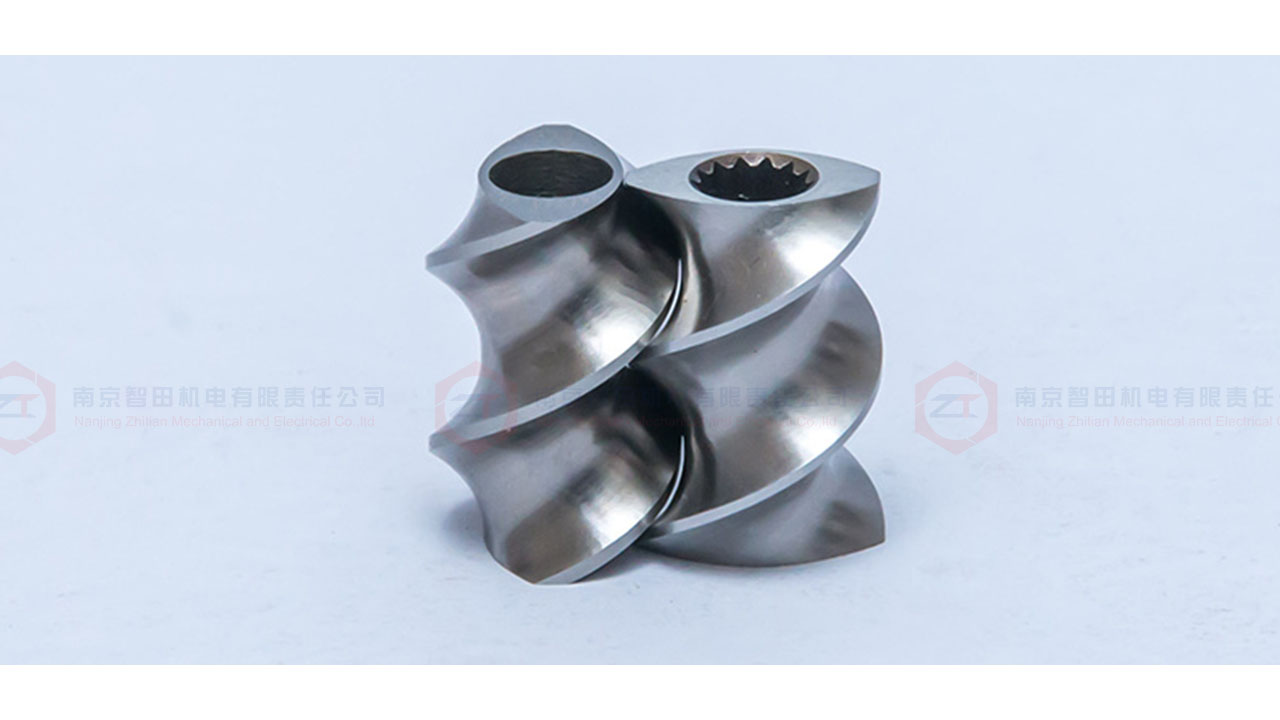
| Parameter | Description | Example / Range |
| Model | Screw element model compatible with ZSK series | ZSK 27~320 |
| Material | Material of screw element | W6Mo5Cr4V2 tool steel, 38CrMoAl nitrided steel, PM-HIP alloy |
During continuous extrusion, screw elements are exposed to abrasive fillers, metal-to-metal friction, high pressure, and corrosive materials. Over time, these factors lead to wear, loss of conveying capability, unstable mixing behavior, and reduced throughput. Replacing worn screw elements with high-precision, material-optimized components ensures:
Stable melt pressure and consistent output
Improved dispersion and mixing efficiency
Lower energy consumption and reduced torque load
Longer lifespan for barrels and gearboxes
Minimized shutdown time and maintenance cost
This makes high-quality screw elements essential for any ZSK extruder used in polymer compounding, masterbatch production, engineering plastics, or reactive extrusion.
Advanced manufacturing technologies significantly enhance the performance of modern screw elements. Using CNC machining, profile grinding, and 3D inspection ensures precise geometry and perfect intermeshing. The materials commonly used include:
PM-HIP alloys (such as CPM10V, CPM9V, SAM26, SAM39): ideal for wear-intensive applications
Nitrided alloy steel (38CrMoAlA): corrosion-resistant and stable
High-chrome tool steels (W6Mo5Cr4V2, SKD11, DC53): heat-resistant and durable
Customized alloys: optimized for high-torque and abrasive formulations
These materials provide excellent hardness, wear resistance, and dimensional stability, making them suitable for continuous, high-load ZSK compounding processes.
For ZSK compatible twin screw extruders, the most frequently replaced elements include:
Conveying elements
Kneading blocks (forward, neutral, reverse)
Mixing and distributive elements
Reverse elements for back-pressure control
Modular shafts and coupling sleeves
Each element plays a unique role in melting, mixing, dispersing, venting, and pressure stabilization. Selecting the correct configuration ensures optimal performance for different polymers and additives.
ZSK extruders follow strict geometric standards. Therefore, precision compatibility is essential. High-quality manufacturers ensure that:
Element OD / ID matches original standards
Flight geometry follows precise deviation control
Splines fully conform to standard ZSK shaft specifications
Helix angle and pitch remain consistent with OEM structures
High compatibility reduces vibration, enhances alignment, and prolongs the lifespan of shafts and barrels.
Users of ZSK extruders often search online when planning maintenance, upgrades, or formula changes. Common search intentions include:
Finding wear-resistant elements for abrasive fillers
Replacing kneading blocks for new formulations
Sourcing cost-effective alternatives to expensive OEM parts
Improving output with upgraded alloy materials
Extending machine life by upgrading screw configuration
For compounding companies seeking stable output, lower maintenance cost, and long equipment uptime, high-precision screw elements compatible with ZSK twin screw extruders provide a cost-effective and technically reliable solution. With optimized materials, tighter tolerances, and consistent performance, these replacement parts help manufacturers maintain competitiveness in demanding processing environments.
 English


